
When your parent refuses help, the situation can quickly become frustrating and emotionally exhausting. You may notice missed meals, difficulty managing household tasks, forgotten appointments, or increasing isolation, while they continue insisting everything is under control. Many families ask themselves, “Why do seniors refuse help?” or wonder why a stubborn aging parent won't accept help even when daily life is clearly becoming harder.
In many cases, resistance isn't simply about being difficult. Older adults often fear losing control over their lives, routines, and privacy. Understanding the emotions behind that resistance can help families approach conversations more thoughtfully while protecting dignity and safety at the same time.
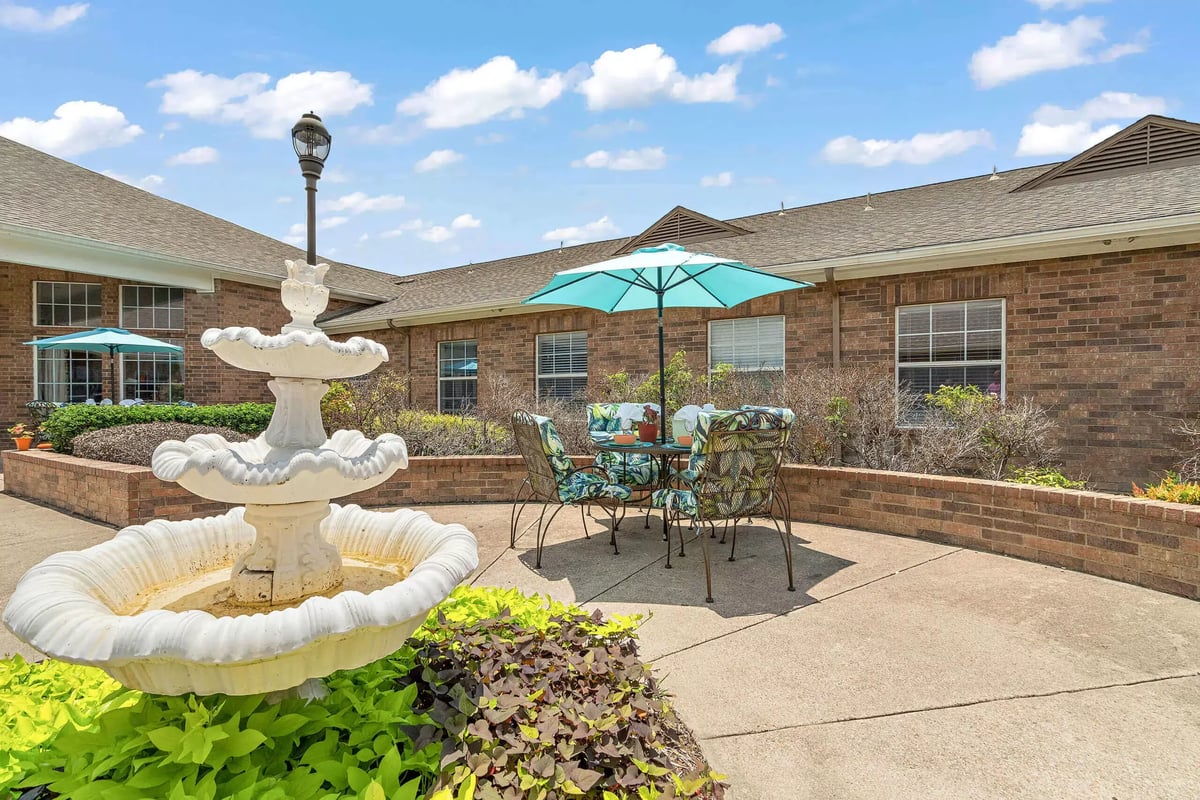
At Morada Cedar Hill, families often discover that supportive senior living conversations become easier when older adults can picture a welcoming environment that still feels familiar, comfortable, and personal. Residents can enjoy chef-prepared homestyle meals, welcoming gathering spaces, social events, and personalized support while maintaining daily routines that matter to them.
Why Older Adults Often Resist Assistance
For many people, accepting help represents a major emotional shift. Someone who has spent decades managing a household, raising a family, working, and making independent decisions may struggle with the idea of needing support from others.
When an aging parent denies needing care, the resistance may be connected to:
- Fear of losing privacy or personal freedom
- Worries about becoming a burden on family members
- Financial concerns about future living expenses
- Embarrassment over physical or cognitive changes
- Anxiety about leaving familiar surroundings
These emotions can make a parent refuse assisted living or reject even small forms of help at first. In some situations, they may genuinely not recognize how much their needs have changed. Cognitive changes can sometimes affect judgment, awareness, and decision-making abilities.
Families often make more progress when they focus less on “convincing” and more on listening. Asking open-ended questions and acknowledging concerns can reduce defensiveness and create more productive conversations over time.
Signs Resistance May Be Becoming Unsafe
Respecting a parent’s wishes matters, but there are situations where declining help can place someone at risk. Families should pay close attention when resistance begins affecting personal safety, nutrition, hygiene, or daily functioning.
Some warning signs may include:
- Frequent falls or mobility concerns
- Missed medications or confusion about schedules
- Significant weight loss or spoiled food in the home
- Difficulty paying bills or managing appointments
- Increasing forgetfulness or poor decision-making
- Withdrawal from hobbies, friendships, or family interaction
When senior resistance to moving is combined with these concerns, families may need additional guidance from healthcare professionals or senior living experts. Sometimes resistance comes from fear. Other times, the person may no longer fully recognize the seriousness of their situation.
At Morada Cedar Hill, residents have access to Independent Living, Assisted Living, and GLOW℠ Memory Care lifestyle options within one welcoming community. This flexibility can help families explore solutions gradually instead of feeling pressured into immediate major changes.
Why Conversations About Help Often Become Emotional
Conversations about aging, health, and changing abilities can feel deeply personal. Adult children may approach the discussion focused on safety, while parents may hear criticism, loss, or fear of losing independence.
Timing can make a major difference. Discussions usually become more productive during calm moments rather than after emergencies or arguments. Instead of presenting one overwhelming solution, it may help to introduce smaller forms of assistance first.
Families sometimes begin with:
- Housekeeping or laundry assistance
- Shared dining experiences
- Transportation services for appointments and errands
- Medication reminders or wellness check-ins
- Short-term stays to experience community living gradually
This slower approach often helps older adults maintain a sense of control while becoming more comfortable with additional support.
Many families asking, “Why won't mom admit she needs help?” discover the answer is less about the help itself and more about fear of losing identity, routine, and independence. Listening carefully before offering solutions can help conversations feel less confrontational.
Finding the Right Balance Between Support and Independence
Most older adults do not want every aspect of life managed for them. They simply want reassurance that they can continue living comfortably while receiving assistance where necessary. The goal is rarely about “taking over.” Instead, it's about creating an environment where safety and personal choice can exist together.
At Morada Cedar Hill, residents can continue enjoying social opportunities, restaurant-style dining, community events, and welcoming shared spaces while receiving personalized support based on individual preferences. Many families find that daily responsibilities become less stressful once older adults no longer need to manage everything alone.
For some individuals, starting with a short-term stay or exploring community programs can help ease uncertainty. Experiencing the environment firsthand often changes perceptions and helps older adults recognize that accepting help does not mean giving up their lifestyle.
When Outside Guidance May Help
Sometimes family conversations reach a standstill despite everyone’s best intentions. Emotions, long family dynamics, and stress can make it difficult to move forward productively. In these situations, outside guidance may help reduce tension and provide a more objective perspective.
Healthcare providers, geriatric care managers, and senior living professionals can help families better understand changing needs while identifying solutions that align with a parent’s preferences and personality. These conversations are rarely easy, but support from experienced professionals can help families feel less overwhelmed.
At Morada Cedar Hill, our team understands the emotional complexity families face when a parent refuses assisted living or hesitates to accept support. We work closely with families throughout Cedar Hill and surrounding areas to help older adults feel comfortable, respected, and heard while exploring living options that fit their needs and lifestyle.
A community that respects your way of living. Schedule your community tour of Cedar Hill today.