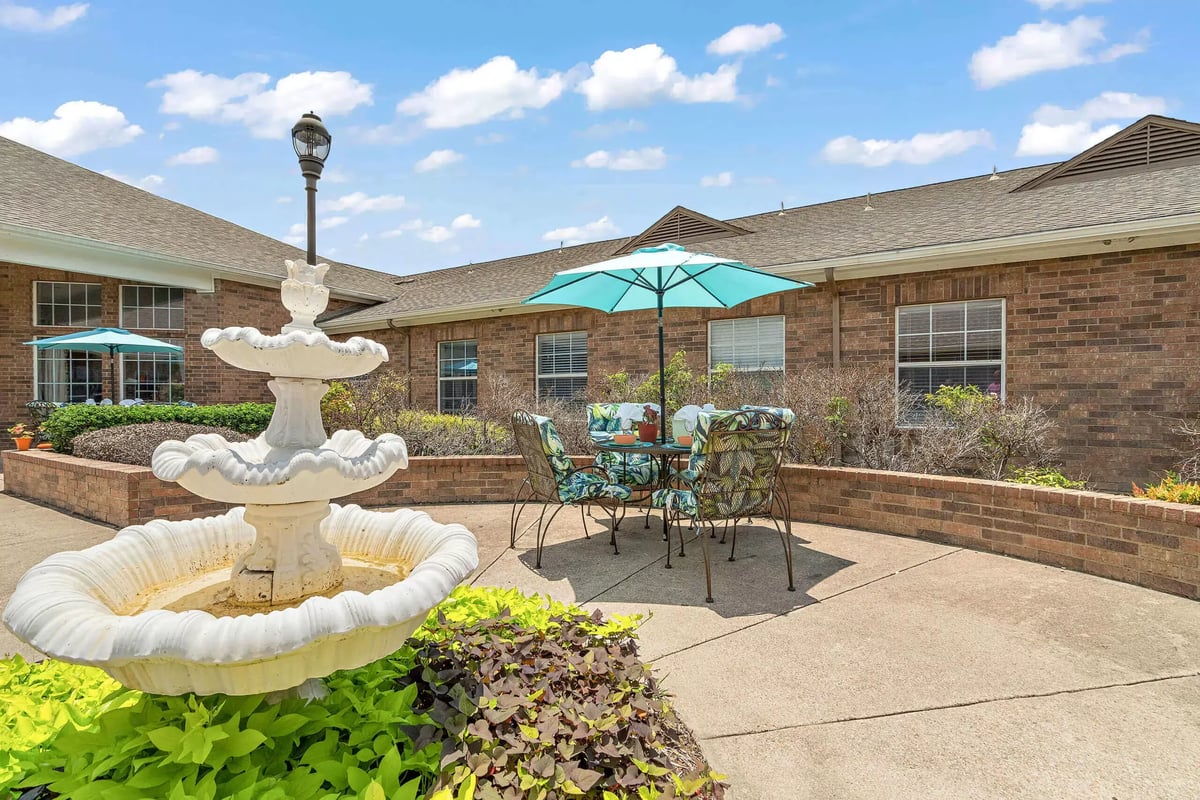

Memory care programs at Morada Cedar Hill help older adults with memory loss live with a sense of purpose each day. These programs use structure and compassion to make life easier and more meaningful for residents and families alike.
According to Alzheimer's Association data, more than 7 million Americans are living with Alzheimer's disease. That number is expected to rise as the population ages. For many families in Cedar Hill, finding care that balances structure and independence is essential.
Cedar Hill, located southwest of Dallas, offers a peaceful setting surrounded by nature and community warmth. At Morada Cedar Hill, residents can enjoy quiet comfort while receiving professional care tailored to their cognitive needs. This balance supports wellness in every part of daily life.
How do Memory Care Programs Improve Daily Living?
These programs provide routines that reduce confusion and frustration for people with memory loss. Predictable schedules help residents feel calm and in control. Structured days also encourage engagement through purposeful activities like:
- Art
- Music
- Exercise
Structured days create peace of mind and help residents thrive. Each element is designed to support both mental and emotional stability while helping maintain cognitive skills. Staff guide residents through meals, activities, and rest times so the day feels balanced and secure.
Encouraging Independence With Guidance
While memory care involves supervision, it also encourages independence in safe ways. Residents are supported in daily activities such as:
- Grooming
- Dressing
- Dining
Caregivers provide gentle reminders instead of taking over tasks completely.
This approach helps residents maintain dignity and confidence. Small moments of independence can boost morale and reduce frustration. It ensures care supports ability rather than replacing it.
Structured Memory Care and Emotional Well-Being
Structured memory care programs use predictable patterns to support emotional stability. Regular mealtimes, consistent caregivers, and familiar surroundings create a comforting rhythm. These routines are essential for people with Alzheimer's or other forms of dementia who may become anxious with change.
Activities are chosen to match each resident's cognitive level. Games, music, and sensory experiences help promote positive moods and reduce agitation. Consistency keeps residents grounded throughout the day.
Support Through Connection
Personal connections are central to emotional well-being. Caregivers build strong relationships with residents, learning their life stories and preferences. Familiar faces offer reassurance, especially during moments of confusion.
Personal attention makes every resident feel valued and seen. This emotional connection strengthens trust and improves cooperation, making care more effective and compassionate.
Dementia-Safe Environments Promote Comfort
Dementia-safe environments are designed to reduce confusion and fall risk. At Morada Cedar Hill, open layouts, clear signage, and color cues help residents navigate without fear or frustration. Lighting is soft but bright enough to prevent shadows that may cause anxiety.
Comfortable furniture, calm colors, and familiar décor make common spaces inviting. Safe walking areas allow residents to move freely.
People with dementia often react to noise or clutter. Minimizing distractions helps them focus and relax. Simple design choices like quiet dining areas or enclosed gardens encourage peace and social interaction.
Personalized Care Planning for Cognitive Wellness
Personalized care planning ensures that every resident's needs and preferences are respected. Staff meet with families to understand each person's background and personality. Care plans are updated as cognitive or physical needs change.
Individualized support improves both safety and happiness. This approach allows caregivers to tailor engagement activities and communication styles that best suit each resident. It keeps care flexible and responsive to ongoing needs.
Daily Life in Morada Cedar Hill's Memory Care Community
Each day includes nutritious meals, planned activities, and personal care support. Residents might:
- Join music therapy
- Enjoy group art sessions
- Relax outdoors
These structured activities promote both engagement and comfort.
Routine brings calm and confidence to daily life. Even simple experiences like setting the table or watering plants create purpose and satisfaction.
The goal is always to promote dignity and enjoyment in a secure setting. Learn more about our amenities and the enriching environment that supports these daily routines.
Alzheimer's care Cedar Hill programs support not only residents but also families. Trained caregivers offer guidance and updates, helping relatives stay informed and involved. Education and communication reduce stress for everyone involved in the care journey.
Frequently Asked Questions
What Are Memory Care Programs?
These are structured living environments for people with Alzheimer's disease or other forms of dementia. They include daily routines, 24-hour supervision, and specialized activities that promote safety and engagement. Staff receive training in dementia behavior and communication.
How Are Memory Care Programs Different From Assisted Living?
Assisted living offers help with daily activities like dressing or bathing. Memory care adds cognitive support, secure environments, and trained caregivers who understand dementia-related needs. It's designed for people who need more supervision and structure.
What Activities Are Common in Memory Care?
Activities are planned to match cognitive ability. Common examples include:
- Music therapy
- Crafts
- Reminiscence sessions
- Light exercise
- Sensory stimulation
Each one helps residents stay active, social, and emotionally balanced.
- Music and movement
- Art or craft sessions
- Storytelling and memory games
- Gentle group exercise
These activities keep the mind stimulated and encourage residents to connect with others in meaningful ways.
Are Memory Care Communities Safe for Residents?
Yes. Dementia-safe environments include features that reduce risk and confusion.
Staff are available at all times to provide supervision and assistance. Safety is built into the design and daily routine to ensure residents can live comfortably without fear of wandering or injury.
How Does Personalized Care Planning Help Residents?
Personalized care planning ensures every individual receives care tailored to their needs. It helps caregivers adjust support levels as memory and health change over time. This kind of flexible planning helps maintain comfort and stability even as conditions progress.
Memory Care That Supports Life in Every Way
Memory care programs at Morada Cedar Hill provide safety and connection in a community designed for peace of mind. The setting in Cedar Hill offers quiet beauty and proximity to nature while still being close to city resources. Residents can enjoy meaningful routines surrounded by compassionate caregivers and a warm, supportive atmosphere.
Morada Cedar Hill stands apart with its scenic Hill Country views and pet-friendly apartments, combined with professional, structured memory care. If you're ready to learn how this community supports loved ones through every stage of memory loss, contact us today to learn more.