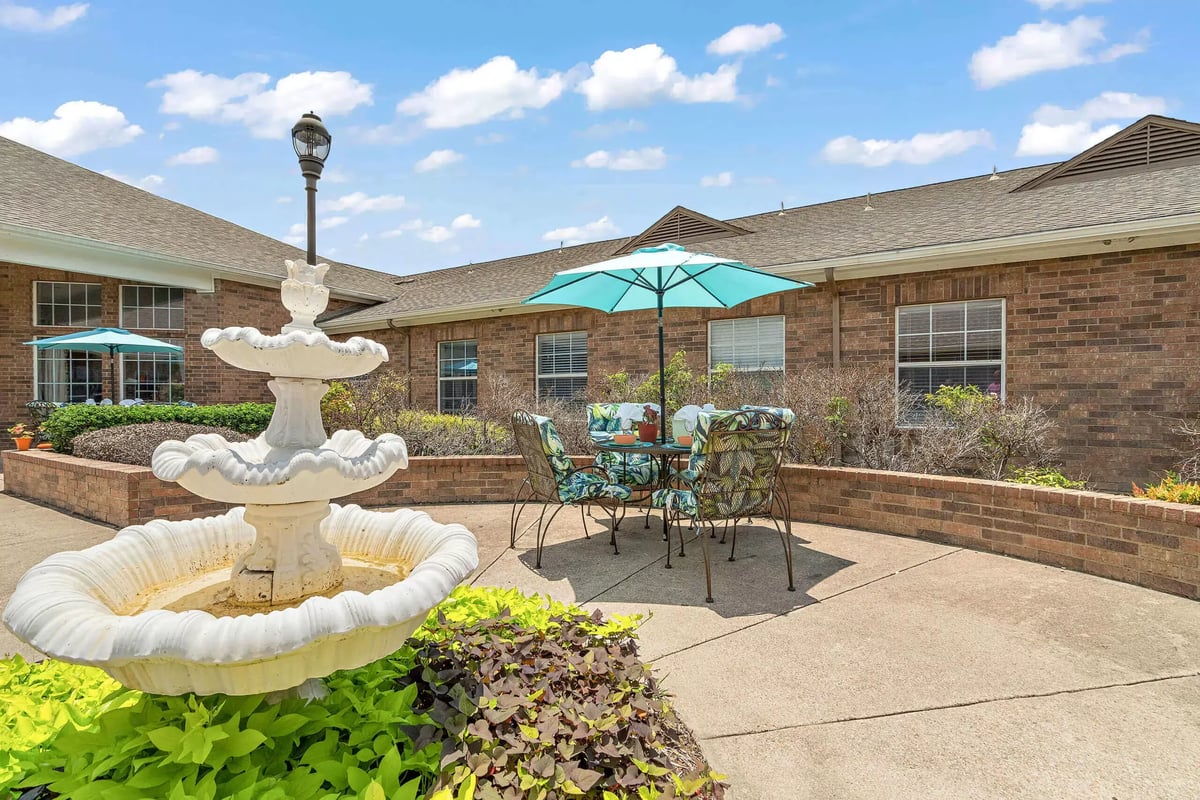

Choosing the right level of support for your mom can feel overwhelming, especially when trying to understand assisted living vs. memory care differences. Both options provide helpful services, but they are for different needs and experiences.
Gaining clarity on the difference between assisted living and memory care can help you make a confident, informed decision. This way, you can support your mom’s current lifestyle while planning for what’s ahead.
Understanding the Difference Between Assisted Living and Memory Care
The main differences between assisted living and memory care are the level and type of support provided.
Assisted living for older adults who need help with daily tasks like bathing, dressing, and medication reminders, while still maintaining as much independence as possible. Residents often choose how they spend their day. They enjoy social events, shared meals, and a comfortable, low-maintenance lifestyle.
Memory care, on the other hand, is specifically for individuals living with Alzheimer’s disease or other forms of dementia. It offers a more structured environment with consistent routines and specially trained associates who understand how to support cognitive changes. Thoughtful spaces reduce confusion and promote comfort, with features like secure areas and easy-to-navigate layouts.
Families at Morada Cedar Hill can explore both Assisted Living and GLOW℠ Memory Care options in one welcoming community, making it easier to adjust support as needs change.
When to Choose Memory Care Over Assisted Living
Understanding when to choose memory care over assisted living often depends on safety, cognitive changes, and daily functioning. Assisted living works well for individuals who need physical support. However, memory care becomes more appropriate when memory loss begins to affect decision-making or awareness.
Here are some common signs that memory care may be the better fit:
- Frequent confusion, disorientation, or getting lost
- Wandering or attempts to leave safe areas
- Difficulty completing familiar daily tasks
- Noticeable changes in judgment or behavior
- Increasing need for hands-on support throughout the day
If your mom is still able to manage her routine with occasional reminders and enjoys social interaction, assisted living may provide the right balance. If safety or consistency has become a concern, memory care offers a more supportive and structured approach.
Comparing Services and Daily Support
Both care options provide valuable services, but the approach and level of attention differ.
In assisted living, residents benefit from personalized support while maintaining choice in their daily routines. Services often include help with activities of daily living, housekeeping, transportation, and chef-prepared meals in a welcoming dining setting. Many residents at Morada Cedar Hill enjoy homestyle meals, social gatherings, and opportunities to connect with neighbors.
Memory care builds on these services with additional layers of support focused on cognitive health and emotional wellbeing. Structured daily programming helps create familiarity and reduce stress, while more frequent check-ins provide added reassurance for families.
Memory Care vs. Assisted Living Cost Considerations
When comparing memory care vs. assisted living cost, it is important to understand what is included in each option.
Memory care typically costs more because it includes:
- Specialized programming designed for cognitive support
- Enhanced safety features and secure environments
- Higher staffing levels and specialized training
Assisted living is generally more cost-effective for individuals who do not require a high level of specialized attention. However, the value of memory care often lies in its ability to provide consistent, personalized support. This can reduce the risk of emergencies or hospital visits.
Families in Cedar Hill often find that exploring both options in person helps clarify not just the cost, but the overall value and experience each lifestyle offers.
Transitioning from Assisted Living to Memory Care
For many families, the conversation does not stop at choosing one option. Transitioning from assisted living to memory care is a common and thoughtful next step as needs evolve.
Communities like Morada Cedar Hill that offer both living options make this transition smoother. Residents can remain in a familiar environment, surrounded by the same associates and community setting, which can help reduce stress during a time of change.
The process typically involves a personalized assessment, followed by a plan that supports both the resident and their family. Taking time to plan ahead allows for a more comfortable transition rather than making decisions during a crisis.
Making the Right Choice for Your Family
Deciding between assisted living or memory care for dementia is a personal decision that depends on your mom’s unique needs, preferences, and daily experiences. Visiting a community, asking questions, and observing how residents engage can provide valuable insight.
At Morada Cedar Hill, families often appreciate the welcoming atmosphere, homestyle dining, and supportive environment that helps residents feel comfortable and connected. Whether your mom would benefit from assisted living or memory care, having both options available in one place can bring peace of mind.
Compassionate care that adapts with your loved one's needs. Schedule a personalized tour to learn how we can support your family.