Summary
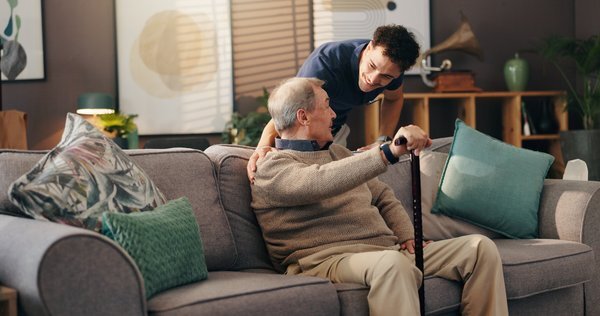
Recognizing the signs a parent cannot live alone helps families address safety concerns early and explore supportive living options that maintain dignity and independence. Changes in daily habits—from unexplained injuries and neglected hygiene to medication confusion and social withdrawal—often signal that additional support may be needed.
- Notice repeated falls, unexplained bruises, or balance problems that suggest increased fall risk at home
- Watch for skipped meals, spoiled food, or weight loss indicating difficulty with shopping and meal preparation
- Pay attention to missed medication doses, confusion about timing, or difficulty managing multiple prescriptions
- Recognize social withdrawal, isolation, or loss of interest in activities once enjoyed
- Identify cluttered or unsafe home conditions, unwashed dishes, or unopened mail suggesting household management challenges
Noticing changes in your parent's daily habits can raise difficult questions about their safety. Maybe they've started missing meals, struggling with household chores, or avoiding outings they once enjoyed. While occasional forgetfulness is common, repeated problems may suggest they need additional support.
Here are some of the commons signs that a parent cannot live alone.
1. Unexplained Bruises or Frequent Falls
Unexplained injuries are among the clearest warning signs that living alone may no longer be safe. During visits, you might notice bruises, cuts, or burns your parent struggles to explain. They may also downplay falls because they're concerned about losing their independence.
Frequent falls can lead to injuries and reduced confidence, making everyday movement more challenging. Even a single fall deserves attention, particularly if your parent has difficulty getting up afterward.
Ask whether they've experienced dizziness, balance problems, or difficulty moving around their home. A healthcare professional can help identify possible causes and recommend appropriate precautions.
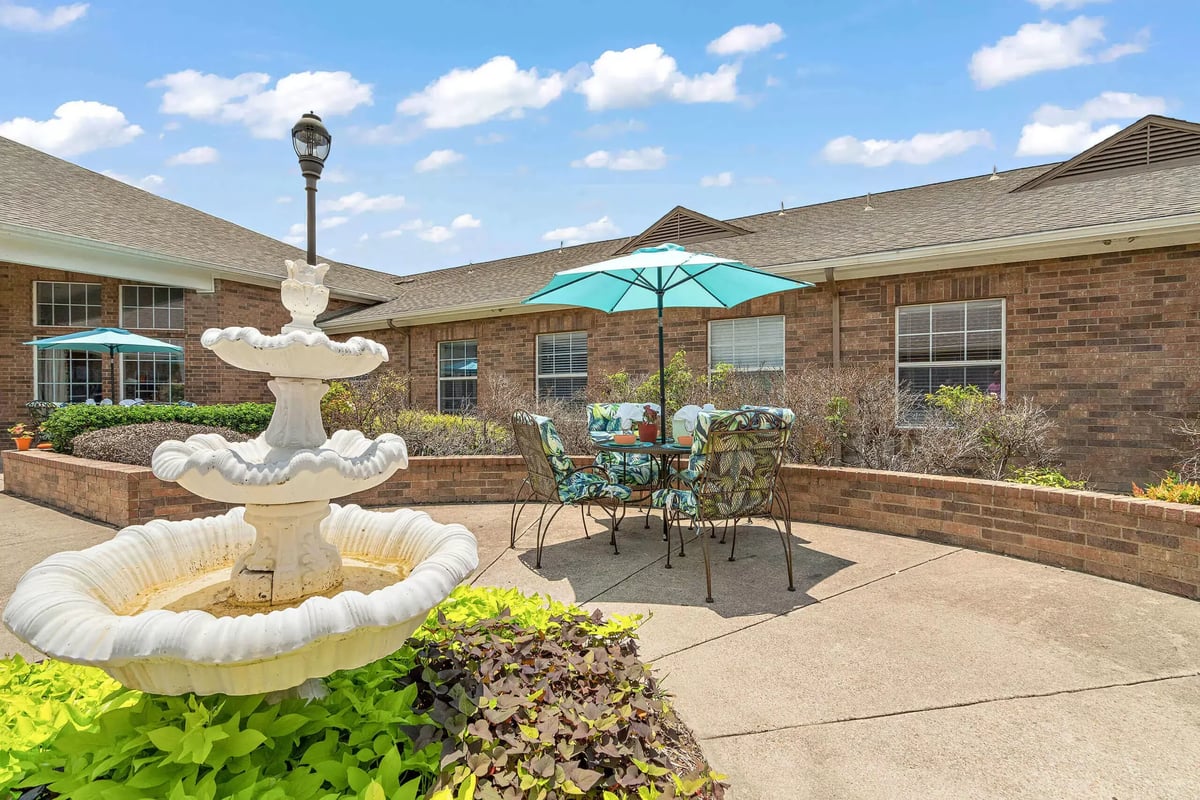
For families considering additional assistance, Morada Cedar Hill offers Active Assisted Living with support for daily routines and access to team members when help is needed.
2. Neglected Personal Hygiene and Appearance
Changes in grooming habits may indicate that everyday tasks have become physically or mentally challenging. Common parent living alone warning signs include:
- Wearing the same clothing repeatedly without washing it
- Unkempt hair, poor dental hygiene, or noticeable changes in appearance
- Difficulty bathing, dressing, or managing clothing fasteners
- Avoiding showers because of mobility or balance concerns
These changes may result from physical limitations, memory difficulties, or emotional challenges rather than a lack of interest in personal appearance.
Approach the conversation gently. Ask whether certain tasks have become uncomfortable or difficult instead of criticizing their appearance.
Assisted Living at Morada Cedar Hill provides personalized assistance with everyday needs while respecting residents' preferences and dignity.
3. Spoiled Food and Poor Nutrition
A quick look inside your parent's refrigerator can reveal changes in their eating habits. Expired groceries, empty shelves, or untouched meals may suggest they're struggling with shopping, cooking, or remembering mealtimes.
Other concerns include noticeable weight loss, frequently skipped meals, or confusion about whether they've eaten.
Preparing food requires planning, coordination, and attention. For someone experiencing memory changes, leaving a stove unattended can create additional safety concerns.
When evaluating safety concerns for an aging parent living alone, consider whether meal preparation has become exhausting or potentially hazardous.
At Morada Cedar Hill, community dining offers an alternative to preparing every meal independently. Shared mealtimes also provide opportunities for conversation and companionship.
4. Difficulty Managing Medications
Keeping track of multiple prescriptions can become complicated, especially when medications require different schedules or dosages.
Watch for these indicators that your parent may need additional assistance:
- Expired prescriptions or duplicate medication bottles
- Missed doses or uncertainty about whether medication was taken
- Confusion about instructions, timing, or dosage
- Pills scattered around the home or stored incorrectly
Medication mistakes can have serious consequences. If you're wondering, "Is it safe for Mom to live alone?", recurring medication confusion deserves prompt attention.
Speak with their healthcare provider or pharmacist about reviewing prescriptions and simplifying routines where possible.
For older adults who need ongoing assistance, assisted living communities may offer medication management services based on individual needs.
5. Social Withdrawal and Isolation
A parent who previously enjoyed visiting friends or attending gatherings but now rarely leaves home may be experiencing loneliness, depression, or mobility challenges.
Missed family events, unanswered calls, and declining interest in hobbies can signal that something has changed.
Social withdrawal doesn't automatically mean someone can no longer live alone. However, combined with other concerns, it may indicate a need for greater connection and daily support.
Morada Cedar Hill offers Active Independent Living, Assisted Living, and GLOW® Memory Care, allowing families to explore different living options based on individual circumstances.
Community programs, shared dining, and opportunities to meet neighbors can make social interaction a more natural part of everyday life.
6. Cluttered or Unsafe Living Conditions
A home that was previously well-maintained may begin showing signs of neglected housekeeping. Unwashed dishes, unopened mail, and cluttered walkways can indicate difficulty managing household responsibilities.
These changes matter because they can create practical safety concerns, including tripping hazards, sanitation problems, and overlooked bills.
If you're considering when a parent shouldn't live alone, look beyond occasional messiness. Pay attention to recurring problems that your parent cannot resolve without assistance.
At Morada Cedar Hill, housekeeping and maintenance services can reduce everyday responsibilities, giving residents more time for personal interests and community events.
When Is It Time to Consider Senior Living?
Recognizing the indicators a parent needs care doesn't mean making an immediate decision about moving. Start by discussing specific concerns, involving your parent in decisions, and seeking professional guidance when appropriate.
A pattern of falls, missed medications, poor nutrition, or difficulty with personal care may suggest that living alone is becoming increasingly challenging.
Morada Cedar Hill in Cedar Hill, Texas, offers several living options for older adults with different needs, from Active Independent Living to Assisted Living and Memory Care.
Schedule a tour of Morada Cedar Hill to explore the community, discuss your parent's needs, and learn which living option may be appropriate.